


The Toddler Years: Navigating Giggle Fits, Grumpy Moments, and Growing Up
Ah, toddlerhood. It’s a time of rapid growth, boundless energy, and… well, let’s just say it can be a rollercoaster. One minute you’re watching your little one take their first wobbly steps, and the next they’re in the throes of a full-blown meltdown because their banana broke in half. If you’re in the thick of it, you’re definitely not alone. Let’s dive into some of the common “toddler troubles” and how to navigate them with a bit more ease, a lot more patience, and plenty of love.
Taming the Tantrum Tornado
Tantrums. They’re practically a rite of passage for toddlers and their parents. That primal scream, the flopping on the floor, the sheer, unadulterated frustration. It’s easy to feel overwhelmed, embarrassed, or even angry when your toddler is having a public meltdown. But here’s the thing: tantrums are a normal part of toddler development. They don’t have the language skills to express their big emotions, so they resort to what works – a dramatic display.
Why the Meltdowns Happen
- Big Feelings, Small Bodies: Toddlers experience emotions like frustration, anger, and sadness intensely, but they haven’t yet learned how to regulate them.
- Lack of Control: They are just starting to understand their own will and desires, and when things don’t go their way, it’s a huge blow to their sense of agency.
- Tiredness and Hunger: The dreaded “hangry” toddler is a real phenomenon. Overtired or hungry toddlers are far more prone to meltdowns.
- Overstimulation: Too much noise, activity, or too many choices can overwhelm a young child.
Strategies for Tantrum Survival
While you can’t prevent every tantrum, you can certainly soften the blow and help your child learn to manage their emotions over time.
- Stay Calm (Easier Said Than Done!): Your calm presence is the anchor. If you get flustered, your toddler will likely escalate. Take a deep breath, count to ten, or step away for a moment if you need to.
- Acknowledge Their Feelings: Instead of saying “Don’t cry,” try “I see you’re very upset because your block tower fell down. It’s okay to be sad.” This validates their emotions.
- Offer Choices (When Possible): Giving your toddler a sense of control can prevent meltdowns. “Would you like to wear the blue shirt or the red shirt?” is often better than a direct command.
- Redirect: Sometimes, a distraction is all they need. “Oh, look at that bird outside!” or “Let’s go find your favorite book.”
- Ignore (If Safe and Appropriate): If the tantrum is purely for attention and no one is in danger, sometimes withdrawing attention can help it fizzle out faster.
- Safety First: Ensure your child isn’t hurting themselves or others. If they’re in a dangerous situation, calmly remove them.
- After the Storm: Once the tantrum is over, offer comfort. Reconnect with a hug and a quiet moment. Then, gently discuss what happened when they are calm.
Discipline That Doesn’t Disconnect
Discipline isn’t about punishment; it’s about teaching. For toddlers, it’s about guiding them towards understanding rules, boundaries, and appropriate behavior. It’s a marathon, not a sprint, and consistency is your superhero cape. Surviving and Thriving with Your Little One: A Toddler's Guide to Growing Up
Positive Discipline Approaches
- Set Clear and Simple Rules: Toddlers can only handle a few rules at a time. Make them understandable for their age. “We use gentle hands” is clearer than “Don’t be rough.”
- Use “When…Then”: This encourages cooperation. “When you finish putting away your toys, then we can read a book.”
- Natural and Logical Consequences: If a child draws on the wall, a natural consequence might be helping to wipe it clean. A logical consequence could be putting the crayons away for a cooling-off period.
- Time-In, Not Just Time-Out: While time-out can be useful for a brief cool-down, consider “time-in” where you sit with your child to help them regulate their emotions. It fosters connection.
- Praise Good Behavior: Catch them being good! “Wow, you shared your toy with your friend! That was very kind!” Specific praise is more effective than general praise.
- Be Consistent: This is crucial. If a rule is enforced sometimes and not others, it becomes confusing.
- Model the Behavior You Want: Toddlers learn by watching you. Show them how to manage your own frustrations, how to speak respectfully, and how to be kind.
Little Minds, Big Discoveries: Supporting Learning
Toddlerhood is a whirlwind of learning. Everything is new, exciting, and a potential discovery. Your role is to provide opportunities and encouragement for this natural curiosity to flourish.
Fostering a Love of Learning
- Play is Learning: Blocks, dolls, puzzles, sensory bins – these aren’t just toys; they are tools for exploration, problem-solving, and imagination.
- Read, Read, Read: Books open up worlds. Point to pictures, ask questions, and let them turn the pages. Even simple board books are incredibly valuable.
- Explore the World: Nature walks, trips to the park, or even a walk around the block offer rich learning experiences. Talk about what you see, hear, and smell.
- Encourage Questions: Even if they’re repetitive, answer their “why” questions patiently. It shows you value their curiosity.
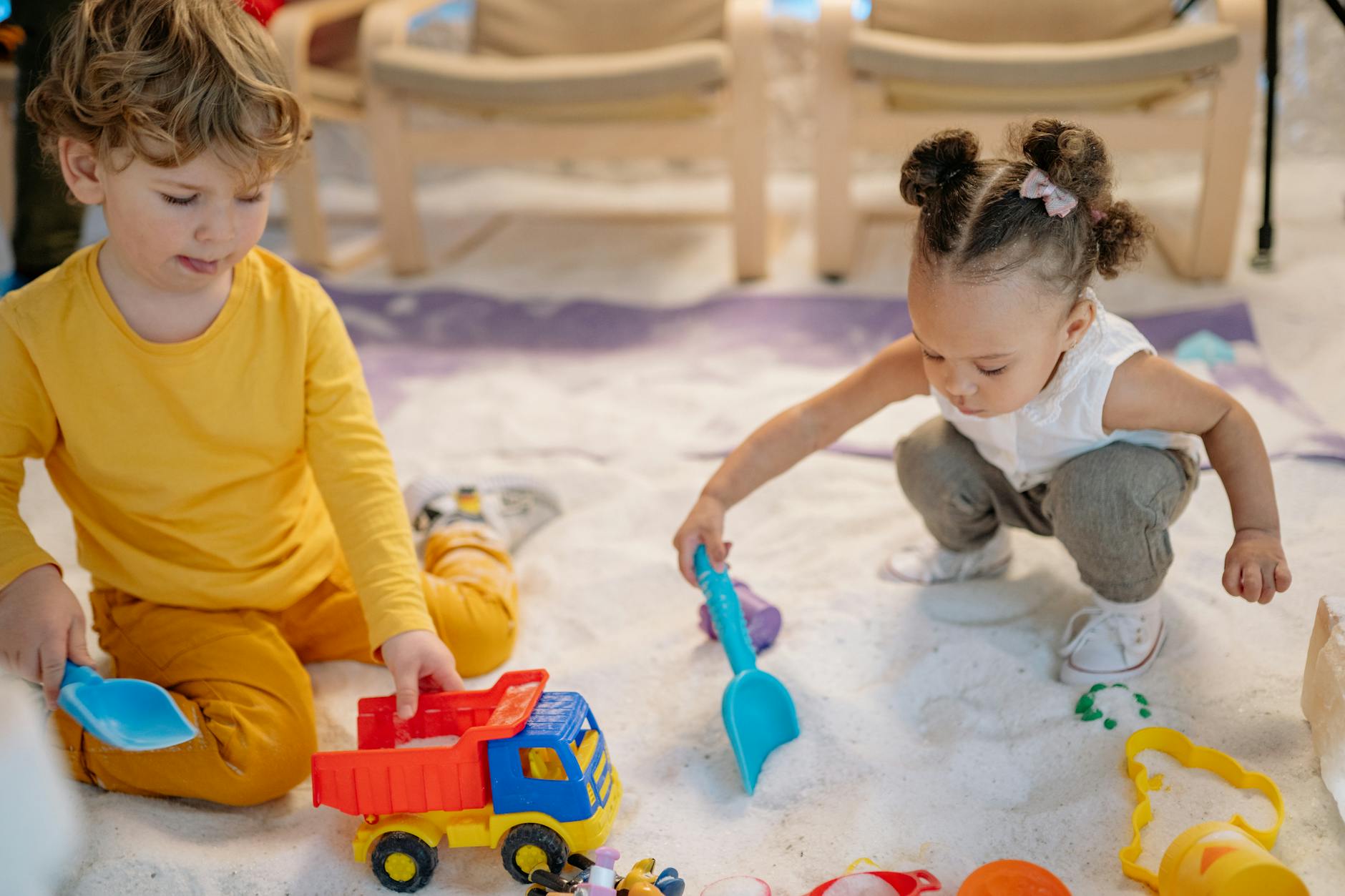
- Sensory Experiences: Toddlers learn through their senses. Play with water, sand, playdough, or finger paints.
- Embrace Mistakes: Learning involves trial and error. Let them try things on their own, even if they don’t get it right the first time.
- Talk to Them: Narrate your day, describe what you’re doing, and ask them about their activities. This builds vocabulary and understanding.
The “Me Do It!” Stage: Fostering Independence
This is the age of exploration and asserting their will. Your toddler is increasingly aware of themselves as an individual and wants to do things their way. Supporting this burgeoning independence is vital for their self-esteem and confidence.
Empowering Your Little Explorer
- Allow for Self-Care (Age-Appropriate): Let them try to dress themselves (even if buttons are impossible), feed themselves (mess and all!), and help with simple chores like putting toys in a bin.
- Create an Accessible Environment: Lower shelves for toys, a small stool for the sink, and child-sized furniture can help them access things independently.
- Offer Choices: As mentioned before, choices empower them. “Do you want to wear the red socks or the blue socks?” gives them agency.
- Don’t Rush Them: Let them take their time with tasks. Rushing them can lead to frustration on both sides.
- Celebrate Accomplishments: Acknowledge their efforts and successes, no matter how small. “You put your cup on the table all by yourself!”
- Let Them Take Controlled Risks: Within safe boundaries, let them climb a little higher at the park, explore a new texture, or try a new skill.
- Resist the Urge to Do Everything for Them: It’s tempting to just do it quickly yourself, but in the long run, letting them try builds their competence.
The toddler years are a whirlwind of growth, learning, and personality development. There will be challenging moments, no doubt. But there will also be incredible milestones, joyous discoveries, and a deepening connection with your child. Remember to be patient, be present, and celebrate the small victories. You’ve got this!