

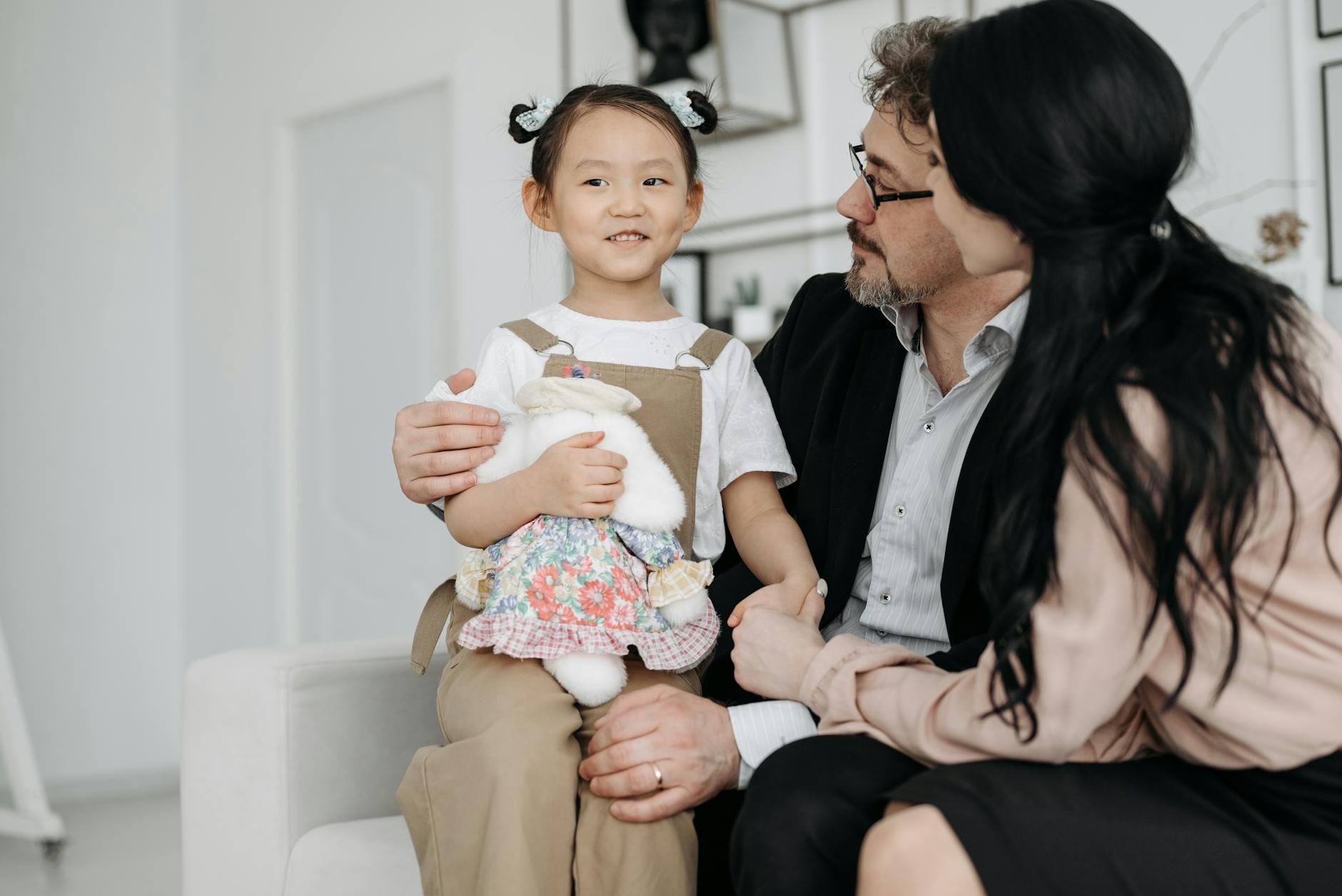

Embarking on the journey of adoption or foster care is an incredible act of love. It’s a path filled with immense joy, profound connection, and yes, its fair share of challenges. Whether you’re just starting to explore these options or you’ve already welcomed a child into your home, this article is for you. We’re going to dive into some real-talk, offering compassionate, practical advice for parents navigating the beautiful, sometimes messy, world of adoption and foster care.
Understanding the Paths: Adoption vs. Foster Care
While both adoption and foster care aim to provide loving, permanent homes for children, they have different structures and goals. Foster care is designed to be a temporary solution, aiming for reunification with the biological family whenever possible. Children enter foster care due to abuse, neglect, or other family challenges. Adoption, on the other hand, creates a new, permanent legal family for a child when reunification isn’t an option.
It’s important to understand these distinctions as they can influence your expectations and the journey you undertake. Both paths require immense patience, flexibility, and a deep well of love.
The Initial Steps: What to Expect
The process for both adoption and foster care can feel lengthy and complex. It typically involves:
- Information Sessions and Training: Agencies offer sessions to help you understand the process, the needs of children in care, and to equip you with essential parenting skills. Think of this as your foundational knowledge builder.
- Home Study: This is a comprehensive assessment of your home environment and your readiness to parent. It’s not about finding flaws, but about ensuring a safe and supportive space for a child. Be open and honest; they’re looking for caring individuals.
- Matching Process: Once approved, you’ll work with the agency to identify children who would be a good fit for your family. This can involve reviewing profiles and meeting potential placements.
Remember, this is a marathon, not a sprint. Be patient with the process and with yourself. You’re building a family, and that takes time. Building a Family: Love, Laughter, and the Unexpected in Adoption and Foster Care
Challenges You Might Face (and How to Tackle Them)
No parenting journey is without its bumps, and adoption and foster care can bring unique hurdles. Here are a few common ones:
- Trauma and Attachment: Many children in foster care or who have experienced adoption have experienced trauma, which can impact their attachment styles, behavior, and emotional regulation. This is a crucial area to understand.
- Behavioral Issues: You might encounter defiant behavior, meltdowns, or difficulty trusting. These are often coping mechanisms stemming from past experiences, not a reflection of your parenting.
- Navigating the System: Dealing with social workers, court dates, and paperwork can be overwhelming. Staying organized and communicating openly with your agency is key.
- Openness and Contact: In many foster care cases and some adoptions, maintaining contact with birth families is a part of the child’s healing and identity. This can feel complex and require careful navigation.
Practical Tips for Tackling Challenges:
- Educate Yourself on Trauma-Informed Care: Understanding adverse childhood experiences (ACEs) and how trauma affects the brain is a game-changer. Resources like those from the ACEs Aware initiative are invaluable.
- Seek Professional Support: Therapists specializing in adoption and foster care can provide crucial guidance for both you and your child. Don’t hesitate to reach out.
- Build a Support Network: Connect with other adoptive and foster parents. Sharing experiences, tips, and even just a listening ear can make a world of difference.
- Practice Patience and Empathy: Remember that your child is likely doing their best with the tools they have. Respond with understanding rather than frustration.
- Focus on Connection Over Correction: When challenging behaviors arise, prioritize strengthening your bond. Sometimes, a hug and reassurance are more effective than a consequence.
Bonding with Your Child: Building Trust and Connection
Bonding is a process, and it looks different for every child and every family. Here are some ways to foster deep, lasting connections:
- Quality Time, Not Just Quantity: Engage in activities your child enjoys. It could be playing games, reading stories, going for walks, or simply sitting together and talking (or not talking!). The focus is on being present.
- Create Predictable Routines: Children thrive on predictability, especially those who have experienced instability. Consistent meal times, bedtimes, and daily activities can create a sense of security.
- Physical Affection (If Welcomed): Offer hugs, cuddles, or hand-holding if your child is comfortable. Respect their boundaries and let them initiate physical closeness as they feel safe.
- Validate Their Feelings: Let your child know that all their feelings are okay, even the difficult ones. Say things like, “I see you’re feeling really angry right now,” or “It’s okay to feel sad about missing your birth family.”
- Celebrate Their Story: Help your child understand and embrace their history. This might involve creating a lifebook, looking at photos, or talking about their birth family in a respectful way.
- Be a Safe Haven: Your primary role is to be a consistent, reliable, and loving presence. Let them know that no matter what, you are there for them.
Navigating the Emotional Landscape
Adoption and foster care are emotional journeys for everyone involved. As parents, you’ll likely experience a rollercoaster of emotions: immense love, pride, frustration, exhaustion, and even grief. Your child will also be navigating complex emotions, including love for their birth family, grief over past losses, and the process of trusting new caregivers.
Emotional Support for Parents:
- Self-Care is Not Selfish: It is absolutely essential. Find ways to recharge, whether it’s a quiet cup of coffee, a walk in nature, or time with friends. You cannot pour from an empty cup.
- Talk About It: Share your feelings with your partner, a trusted friend, a support group, or a therapist. Bottling it up will only make it harder.
- Acknowledge Your Grief: You might grieve the life you envisioned, the ease of parenting before, or the loss of biological connections. This is normal and valid.
- Celebrate the Wins, Big and Small: Did your child sleep through the night? Did they share a toy? Did they laugh freely? Acknowledge and celebrate these moments of connection and progress.
The Long Game: Nurturing a Forever Family
Building a strong, resilient family takes time, commitment, and a whole lot of love. As your child grows, their needs will evolve. Continue to:
- Maintain Open Communication: Encourage your child to talk about their feelings, their past, and their hopes for the future.
- Advocate for Their Needs: Be their voice in school, in healthcare settings, and within the social services system.
- Foster a Sense of Belonging: Create traditions, celebrate milestones, and make sure they know they are deeply loved and valued as part of your family.
- Embrace Their Identity: Support them in exploring who they are and where they come from.
The journey of adoption and foster care is one of the most rewarding experiences you can undertake. It’s about opening your heart and home to a child who needs you, and in doing so, creating a unique, beautiful, and enduring family.