

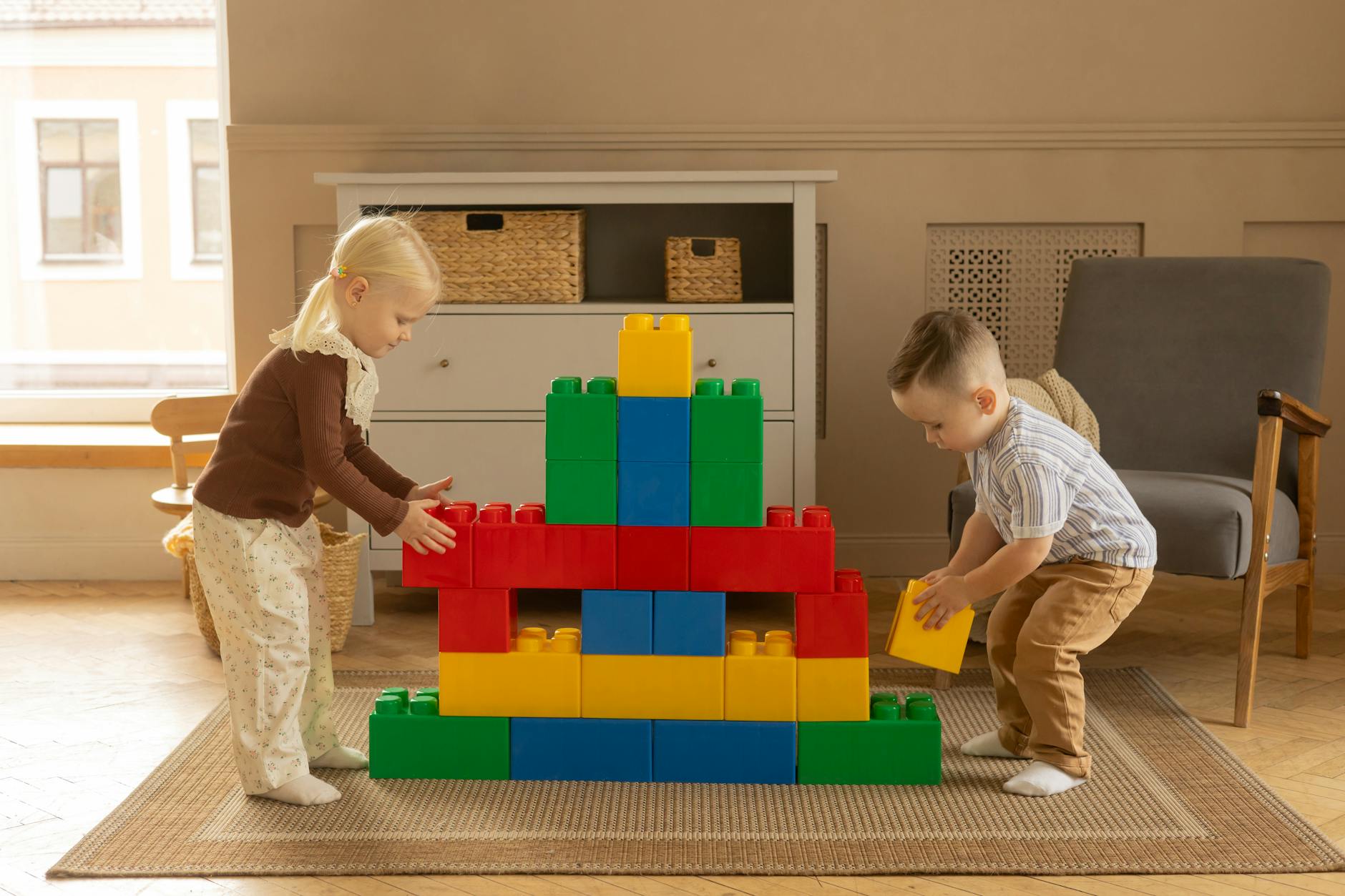

Let’s talk about something super important in the world of parenting: discipline and boundaries. Now, the word “discipline” can sometimes sound a bit scary, conjuring up images of stern lectures and punishments. But it doesn’t have to be that way! In fact, when we approach discipline with a focus on teaching and guidance, and when we set boundaries with love and respect, we’re actually building a stronger, happier, and more secure foundation for our kids.
Think of it this way: boundaries are like the fences around a beautiful garden. They protect the delicate plants (our children) from getting trampled or wandering off into danger. They provide a safe space for growth and exploration within clear limits. Discipline, then, is the gentle tending of that garden – watering, weeding, and nurturing so everything can flourish.
Why Boundaries Matter (More Than You Think!)
So, why are these “fences” so crucial? Kids, especially little ones, are still figuring out the world and their place in it. They need to understand what’s okay and what’s not okay. Without clear boundaries, they can feel insecure, anxious, and overwhelmed. It’s like being in a huge room with no walls – a bit terrifying, right?
Here are some key reasons why setting respectful boundaries is a game-changer:
- Safety: This is the most obvious one. Boundaries keep our children physically and emotionally safe.
- Security: Knowing what to expect provides a sense of predictability and safety, which is vital for a child’s emotional development.
- Self-Control: When kids learn to respect limits, they begin to develop their own internal sense of control and self-discipline.
- Respect for Others: Boundaries teach children to consider the needs and feelings of others, fostering empathy and respect.
- Responsibility: Understanding consequences for actions helps children learn to be responsible for their choices.
- Reduced Conflict: While it might seem counterintuitive, clear boundaries often lead to *less* daily conflict because children know the rules.
Strategies for Setting Respectful Boundaries
Setting boundaries isn’t about being rigid or a dictator. It’s about being clear, consistent, and loving. Here’s how to do it:
1. Be Clear and Concise
Kids need to understand the rules. Avoid vague statements. Instead of “Be good,” try “Please use your inside voice when we’re at the library.” Explain *why* the boundary exists, in simple terms they can grasp.
Example: “We don’t hit because hitting hurts people’s bodies and makes them feel sad.”
2. Be Consistent
This is often the hardest part! If a boundary is enforced one day but ignored the next, kids get confused. Consistency helps them learn what to expect and reduces the need for constant redirection.
Tip: Talk to your co-parent or other caregivers so you’re all on the same page.
3. Choose Your Battles
Not every minor infraction needs a major intervention. Focus on the boundaries that are most important for safety, respect, and well-being. Sometimes, letting a small thing slide can preserve your energy for the bigger issues.
4. Involve Your Child (When Age-Appropriate)
For older children, you can involve them in setting some family expectations or discussing consequences. This gives them a sense of ownership and makes them more likely to adhere to the rules.
Idea: “We need to make sure we clean up our toys before bedtime. What do you think is a fair amount of time for that?”
5. Model the Behavior
Children learn by watching us. How do you handle frustration? How do you respect others’ boundaries? Let your actions speak louder than your words.
6. Use Positive Language
Frame boundaries in terms of what you *want* your child to do, rather than what you *don’t* want them to do. Instead of “Don’t run in the house,” try “Please walk inside.”
Positive Discipline: Guiding Behavior with Love
Now, let’s move on to discipline. Positive discipline is all about teaching and guiding, rather than punishing. It focuses on helping children understand their behavior, learn better coping mechanisms, and develop intrinsic motivation to do the right thing.
Forget the shame and blame. The goal is to help your child learn and grow. Here are some effective strategies:
1. Focus on Teaching, Not Punishing
When a child misbehaves, ask yourself: “What can they learn from this?” The learning opportunity is the key. Discipline should be about helping them develop skills and understanding.
Instead of: “Go to your room, you’re grounded!”
Try: “It looks like you’re feeling really angry right now. Let’s take a break in the calm-down corner until we can talk about what happened.”
2. Natural and Logical Consequences
These are consequences that are directly related to the behavior.
- Natural Consequences: These happen on their own, without your intervention. If a child doesn’t eat their dinner, they might feel hungry later. If they leave their toys outside, they might get wet.
- Logical Consequences: These are imposed by you and are directly related to the behavior. If a child draws on the wall, the logical consequence might be that they help clean it up. If they misuse a toy, the toy might be put away for a short period.
Make sure the consequences are reasonable, respectful, and explained beforehand if possible.
3. Time-Ins, Not Just Time-Outs
While time-outs can be useful for a brief cool-down, a “time-in” can be even more beneficial. This is where you sit with your child during their difficult moment. You offer comfort, help them identify their feelings, and guide them through calming strategies. It’s about connection during distress.
4. Problem-Solving Together
When conflicts arise, involve your child in finding solutions. This empowers them and teaches valuable problem-solving skills.
Example: If two siblings are fighting over a toy, you might say, “It sounds like you both want to play with the truck. How can we make sure everyone gets a turn and feels happy?”
5. Offer Choices
Giving children a sense of control can prevent power struggles. Offer two acceptable choices.
Example: “Would you like to brush your teeth before or after putting on your pajamas?” or “Would you like to wear the blue shirt or the red shirt?” This gives them agency within your boundaries.
6. Acknowledge and Validate Feelings
Even when the behavior is unacceptable, the feeling behind it is real. Acknowledging their emotions can de-escalate the situation.
Try saying: “I can see you’re really frustrated that playtime is over. It’s hard to stop when you’re having fun.”
Navigating Common Challenges
Parenting is rarely a smooth ride, and there will be times when boundaries are tested and discipline is needed. Here are some common scenarios and how to approach them:
The Tantrum Tamer
Tantrums are often a sign of a child being overwhelmed by their emotions. Stay calm. Validate their feelings (“You’re really upset about this!” or “I see you’re very angry”). Then, gently redirect or offer a calming strategy. Once they’re calm, you can discuss the behavior. The Family Compass: Navigating Discipline and Boundaries with Love and Logic
The “No” Era
This is a normal developmental stage! It’s their way of asserting independence. Respond with patience. Explain the “why” behind your “yes” or “no” when possible, and offer acceptable alternatives.
Sibling Squabbles
Don’t rush to take sides. Allow them to try and resolve small conflicts themselves. If it escalates, step in to ensure safety and then facilitate a problem-solving conversation, focusing on how they can both treat each other respectfully.
Screen Time Battles
Set clear limits on screen time *before* it becomes an issue. Have a family media plan. When it’s time to turn it off, be firm and consistent. Offer an alternative activity.
The Power of Connection
Underlying all effective discipline and boundary-setting is a strong, loving connection with your child. When children feel loved, understood, and secure, they are more likely to cooperate and respond positively to guidance. Make time for play, hugs, and listening. The more connected you are, the more receptive they’ll be to your loving limits.
Remember, parenting is a journey, and there will be ups and downs. Be patient with yourself and your children. By focusing on teaching, guiding, and connecting, you’re not just managing behavior; you’re helping your children develop into confident, resilient, and respectful individuals. You’ve got this!