


The Heart of Parenting: Nurturing Little Humans with Love and Laughter
Welcome to the amazing, wild, and sometimes messy journey of raising kids! If you’re a parent, you know it’s a constant learning curve, filled with incredible highs and the occasional “what on earth do I do now?” moments. This isn’t about perfection; it’s about connection, growth, and finding joy in the everyday. Let’s dive into some practical ideas to help you navigate parenthood with a little more ease and a lot more love.
Finding Your Parenting Rhythm: It’s Okay Not to Have All the Answers
One of the biggest myths about parenting is that you’re supposed to have everything figured out. Guess what? Nobody does. Every child is unique, and what works for one family might not work for another. The most important thing is to be present and adaptable. Think of yourself as a guide, not a dictator. Your kids need to feel safe, understood, and loved, even when they’re pushing boundaries or having a tough time.
Key takeaway: Embrace the learning process. Be kind to yourself. Your best effort is enough.
Building Strong Connections: The Foundation of Everything
At its core, parenting is about relationships. The connection you build with your children is the bedrock upon which their confidence, security, and emotional well-being are built. This means making time for them, even when life feels chaotic. It’s the little things that often matter most: a bedtime story, a quick hug before school, listening really, really well when they’re talking about their day (even if it’s about a LEGO creation or a playground drama).
Practical Connection Boosters:
- Uninterrupted Time: Set aside 10-15 minutes each day for one-on-one time with each child where it’s all about them. No phones, no distractions. Just you and them.
- Active Listening: When your child speaks, stop what you’re doing, make eye contact, and truly hear them. Validate their feelings, even if you don’t agree with their behavior. Phrases like “It sounds like you’re feeling really frustrated,” can go a long way.
- Shared Activities: Find something you both enjoy doing together, whether it’s cooking, playing a board game, going for a walk, or building a fort.
- Show Affection: Hugs, kisses, high-fives, and simply saying “I love you” are powerful. Don’t underestimate the impact of physical and verbal expressions of love.
Setting Boundaries with Love: Guiding Behavior Through Understanding
Boundaries are essential for children to feel secure and learn self-control. They provide structure and help kids understand expectations. However, discipline doesn’t have to mean punishment. It’s about teaching. When a child misbehaves, it’s often a sign that they need help learning a better way to cope or communicate.
Effective Boundary Setting Strategies:
- Be Clear and Consistent: State your expectations simply and follow through consistently. If you say “no screen time before homework,” stick to it.
- Explain the “Why”: Instead of just “because I said so,” explain the reasoning behind a rule. “We need to eat dinner together so we can talk about our day and connect as a family.”
- Offer Choices (When Possible): Giving children a sense of agency can reduce power struggles. “Would you like to wear the blue shirt or the red shirt?”
- Focus on the Behavior, Not the Child: When correcting, address the action. “Hitting is not okay,” rather than “You are a bad boy.”
- Natural and Logical Consequences: If a child leaves their toys out, the natural consequence might be that they can’t find them later. A logical consequence for not eating dinner might be that they don’t get dessert.
Remember, the goal is to help your child develop self-discipline, not just to control their behavior in the moment.
Fostering Independence and Resilience: Empowering Your Little Humans
As children grow, we want them to become capable, independent individuals who can bounce back from challenges. This means giving them opportunities to do things for themselves, even if it takes longer or isn’t done perfectly. It also means allowing them to experience age-appropriate challenges and helping them learn how to navigate them.
Tips for Building Independence and Resilience:
- Age-Appropriate Chores: Even young children can help with simple tasks like putting away toys, setting the table, or helping to fold laundry. This builds a sense of responsibility and contribution.
- Let Them Struggle (A Little): Resist the urge to swoop in and fix everything immediately. If your child is struggling to tie their shoes, encourage them to keep trying, offering gentle guidance rather than doing it for them.
- Problem-Solving Together: When a problem arises, involve your child in finding a solution. “You’re having trouble sharing that toy. What are some ways we could solve this so everyone feels happy?”
- Celebrate Effort, Not Just Outcome: Praise their persistence and willingness to try, regardless of whether they succeed perfectly.
- Model Resilience: Show your children how you handle setbacks and disappointments. Talk about your own challenges and how you work through them.
Nurturing Well-being: Physical and Emotional Health
Raising happy, healthy kids involves paying attention to their overall well-being. This includes their physical health (nutrition, sleep, exercise) and their emotional health (managing feelings, building self-esteem, developing empathy).
Nurturing Physical Health:
- Balanced Nutrition: Offer a variety of healthy foods and involve kids in meal preparation. Make healthy eating a family habit.
- Adequate Sleep: Establish consistent bedtime routines. Sleep is crucial for mood, learning, and physical growth.
- Active Play: Encourage outdoor play and physical activities. Limit screen time and promote movement.
Nurturing Emotional Health:
- Emotional Literacy: Help children name and understand their emotions. Provide a safe space for them to express feelings, both positive and negative.
- Positive Self-Talk: Encourage them to speak kindly to themselves and praise their efforts and unique qualities.
- Empathy Development: Talk about how others might feel. Encourage kindness and understanding towards others.
- Mindfulness and Relaxation: Simple breathing exercises or quiet time can help children manage big feelings.
The Power of Play: More Than Just Fun and Games
Play is fundamental to a child’s development. It’s how they learn about the world, develop social skills, practice problem-solving, and express their creativity. Make time for unstructured play, both indoors and outdoors. Join in when you can, but also allow them the freedom to explore and imagine on their own.
- Imaginative Play: Dress-up, playing house, or creating stories with toys are fantastic for cognitive and social development.
- Outdoor Adventures: Running, jumping, climbing, and exploring nature build physical strength and sensory awareness.
- Creative Expression: Drawing, painting, building with blocks, or making music allow children to express themselves and develop fine motor skills.
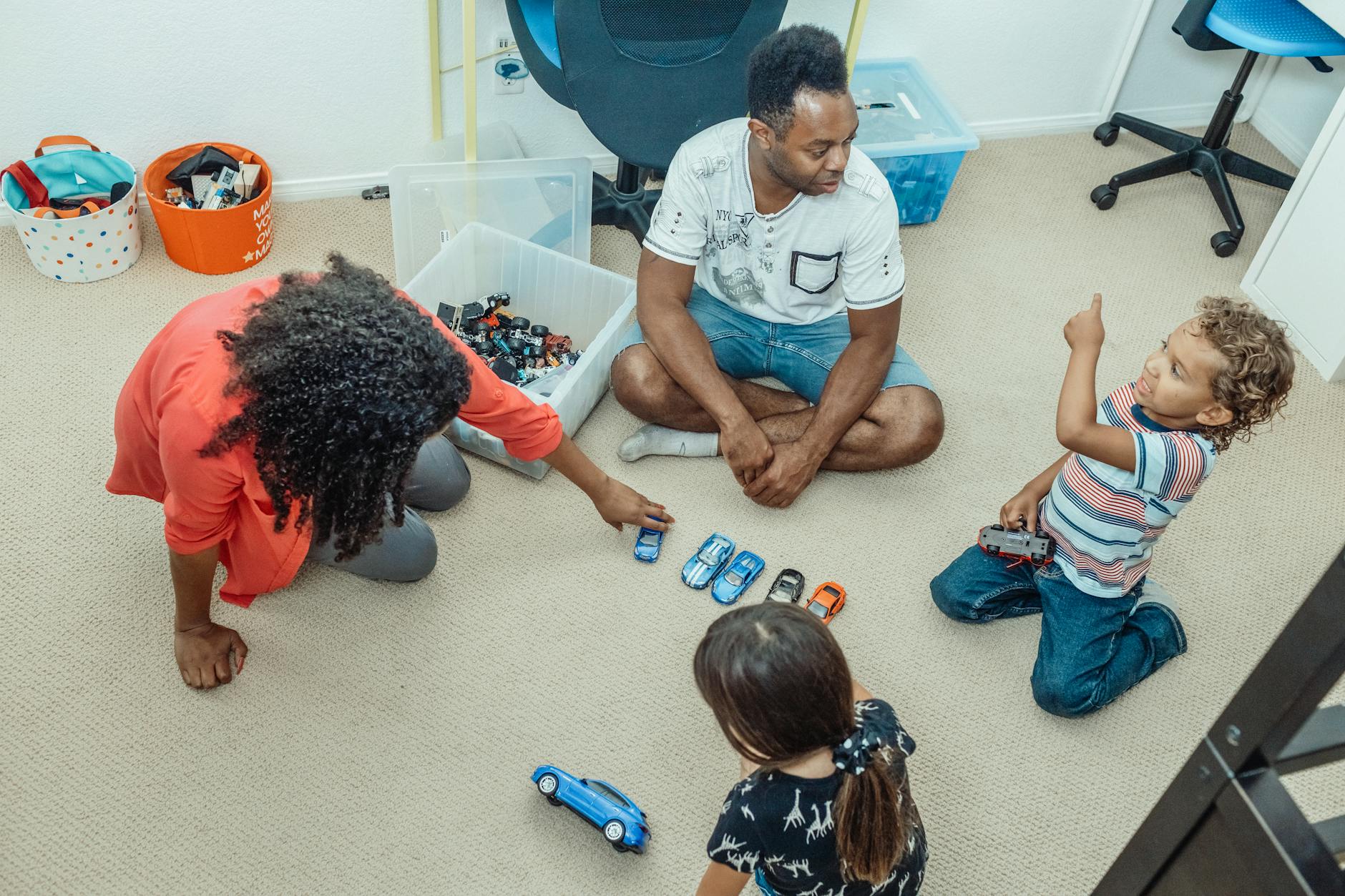
Sometimes, the best parenting strategy is simply to get down on the floor and play with your kids. It’s a powerful way to connect and create lasting memories.
Parent Self-Care: You Can’t Pour from an Empty Cup
This is perhaps the most crucial, yet often overlooked, aspect of parenting. You are your child’s most important role model, and your own well-being directly impacts your ability to parent effectively. Taking care of yourself isn’t selfish; it’s essential. The Parent's Compass: Guiding Your Family Through Life's Adventures
Prioritizing Your Well-being:
- Find Small Moments: Even five minutes of quiet with a cup of tea, a short walk, or listening to your favorite music can make a difference.
- Ask for Help: Don’t be afraid to lean on your partner, family, friends, or community resources. Whether it’s a meal train or just someone to watch the kids for an hour, accept the support offered.
- Set Realistic Expectations: You will not get everything done. You will not always be patient. That’s okay.
- Connect with Other Parents: Sharing experiences and challenges with other parents can be incredibly validating and provide new perspectives.
Embracing the Journey
Parenting is a marathon, not a sprint. There will be days filled with laughter and cuddles, and days that test your patience to its limits. Remember to breathe, find humor (there’s almost always humor to be found!), and trust your instincts. You are doing a wonderful job, and your love and dedication are shaping little humans into the best versions of themselves. Keep nurturing, keep connecting, and keep enjoying the beautiful, messy adventure.